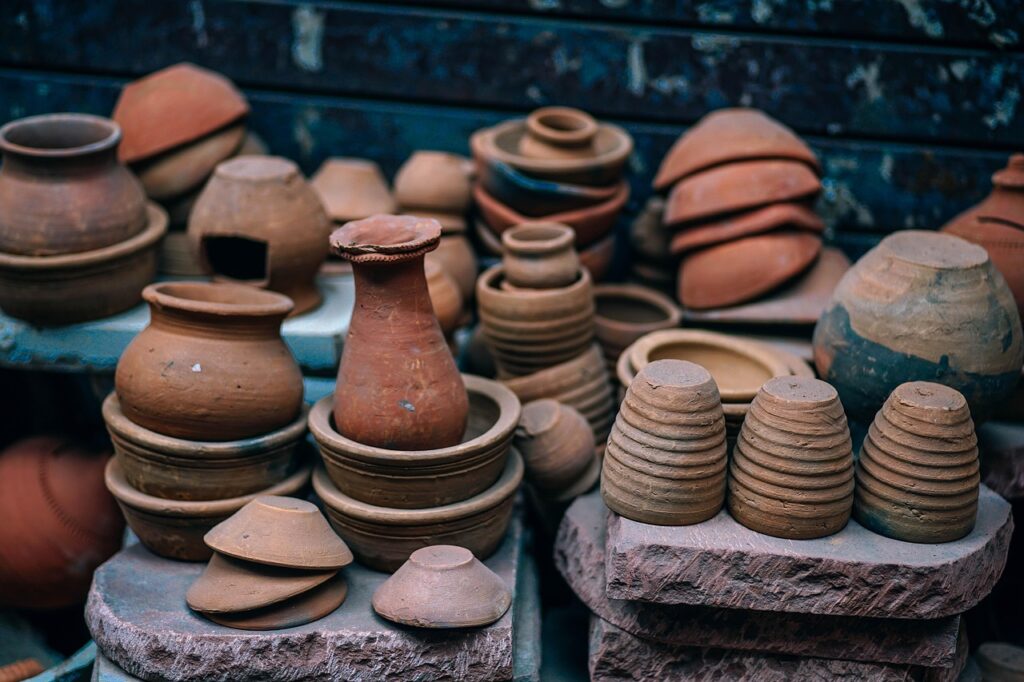
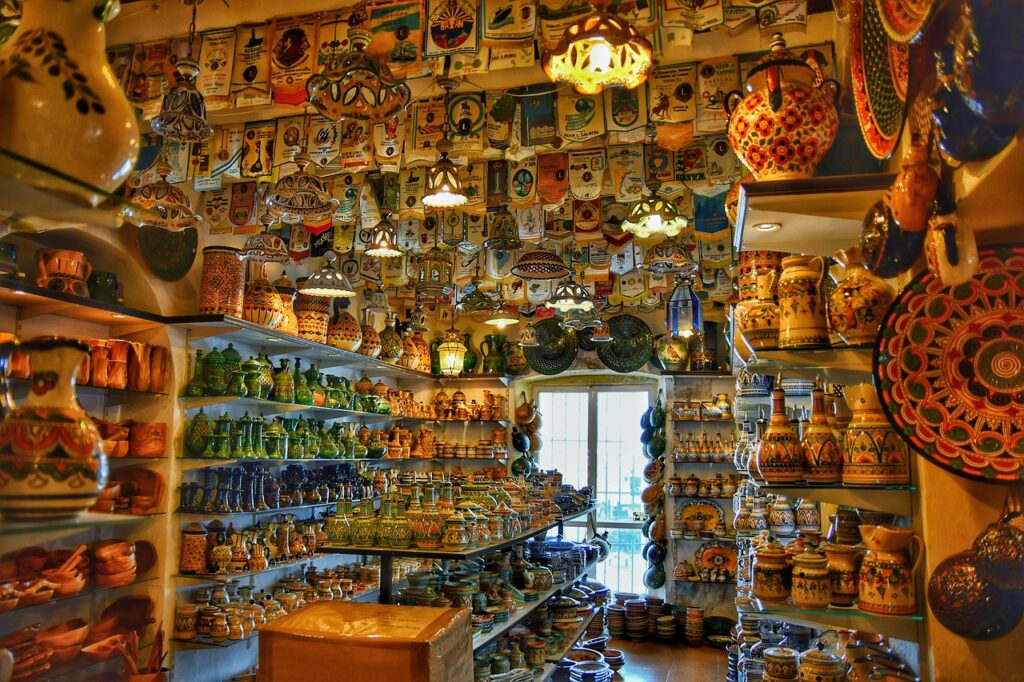
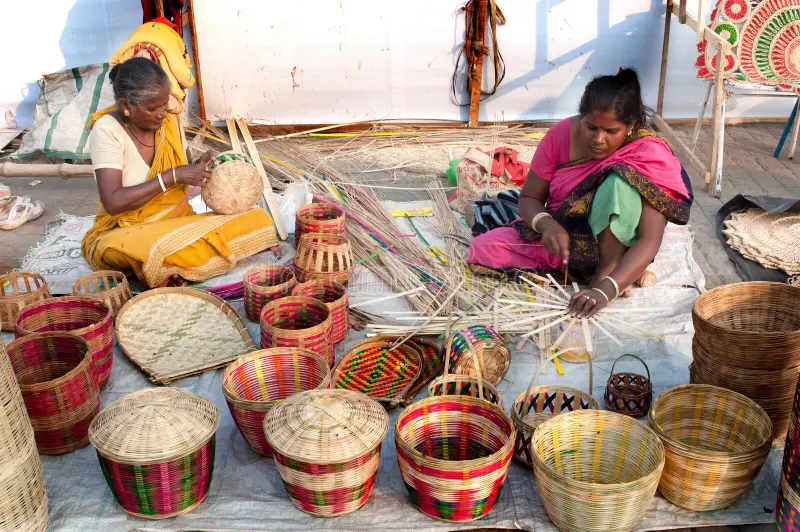
India’s handicraft tradition can be traced back to the Indus Valley Civilization, where early artisans mastered pottery, weaving, metalwork, and bead-making. Over time, these crafts evolved regionally, influenced by geography, culture, and religion. From tribal folk art to temple carvings, every Indian state developed its own identity in handmade goods—making Indian handicrafts one of the richest expressions of cultural diversity in the world.
Flourishing Under Royal Patronage
The medieval and Mughal eras brought a golden age for Indian artisans. Supported by kings and emperors, crafts like zardozi embroidery, meenakari enamel work, miniature paintings, and intricate woodwork thrived. Indian handicrafts gained global fame through trade with Persia, China, and Europe, as cities like Jaipur, Kanchipuram, and Varanasi became hubs of fine craftsmanship.`
Revival and Global Recognition
Though British colonial rule affected traditional crafts, the Swadeshi movement and post-independence initiatives helped revive them. Today, Indian handicrafts are globally admired for their authenticity, beauty, and sustainable appeal. They not only preserve centuries-old traditions but also empower millions of rural artisans by keeping heritage alive through handmade excellence.